

It’s Ok to Feel!
In my last two posts, I discussed the importance of pausing for 90 seconds when we feel an emotion—especially when we perceive it as a “negative” one. I also wrote about naming our emotions to help tame them.
But what if we have a hard time even recognizing or naming what we feel? Sometimes this happens simply because we were never taught enough about emotions or given a wide vocabulary to describe them. That’s why I shared an emotions chart in the last post—you may want to revisit it.
There’s another reason many struggle: men, perhaps more than women, but really both, often associate emotions with shame, weakness, or vulnerability. To protect themselves from further pain, they learn to shut down their emotions quickly. Over time, they may lose touch not only with naming their feelings but with noticing that they are feeling at all. I can appreciate that, and I recognize how that’s played out in my own life at times.
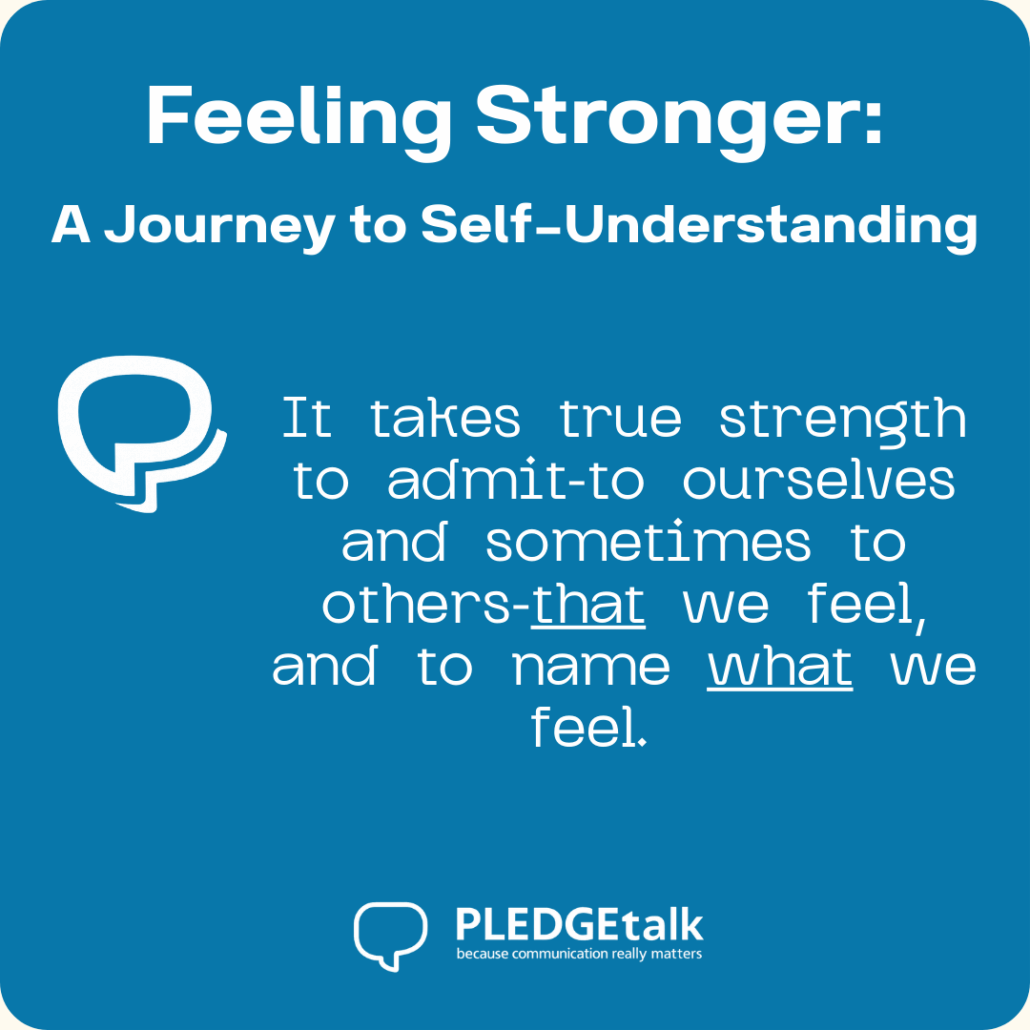
Yet I’ve come to understand this: it’s vital to accept our emotions as a very real part of who we are. God created us as emotional beings. And though emotions may sometimes feel unsafe, feeling what we feel is not weakness. Quite the opposite. It takes true strength to admit—to ourselves and sometimes to others—that we feel, and to name what we feel.
This is something I’ve learned by looking at Jesus. He was a man who experienced virtually every human emotion. Here are just a few:
- Amazement at a man’s faith (Matthew 8:10)
- Compassion for the crowds (Matthew 9:36)
- Indignation at His disciples for keeping children from Him (Mark 10:14)
- Grief as He wept over Lazarus and over Jerusalem (John 11:35; Luke 19:41)
- Anger toward hypocrisy and hardened hearts (Matthew 23; Mark 3:5)
- Love for His followers to the very end (John 13:1)
- Frustration—even exasperation—at His disciples’ lack of faith (Mark 9:19)
- Anguish as He neared the end of His mission (Luke 22:44)
- Peace—so much so that He was called the “Prince of Peace” (Isaiah 9:6)
- Abandonment by His disciples and even His Father (Matthew 27:46)
- Longing and eagerness to share the Last Supper (Luke 22:15)
- Joy and gladness beyond measure (Luke 10:21; Hebrews 1:9)
If Jesus felt free to experience such a full range of emotions, surely we can as well.
One final note: while we do have the freedom to feel everything, that doesn’t mean we’re free to express everything however we wish. That’s a topic for another post.
For now, give yourself space to acknowledge that you feel, and to notice what you feel. It’s not only okay—it’s good. If you’ve never tried journaling, now is the perfect time to start. Writing helps give your body and mind permission to feel and to name those feelings. In the coming weeks, I’ll share why this practice is so valuable.
That’s all for today!
Mark Oelze, Author/Creator of PLEDGEtalk
Learn more at PLEGEtalk.com


Leave a Reply
Want to join the discussion?Feel free to contribute!